
Rencontres AKAA
AKAA is committed to continuing to foster and develop dialogue and exchange between the public and all players in the art world. This will be the focus of the talks and panel discussions taking place from Friday, October 23 to Sunday, October 25, across various spaces throughout the fair at the Carreau du Temple.
The cultural program on Friday, October 23 at the Carreau du Temple auditorium is open to everyone and free of charge.
Auditorium, Carreau du Temple – 2 Rue Perrée, 75003 Paris
- Friday, October 23 -
11:00am - 12:30pm Auditorium - Carreau du Temple
Classical African art and contemporary African art: are they complementary markets ?
A panel discussion moderated by Armelle Malvoisin, journalist, art critic and curator, with:
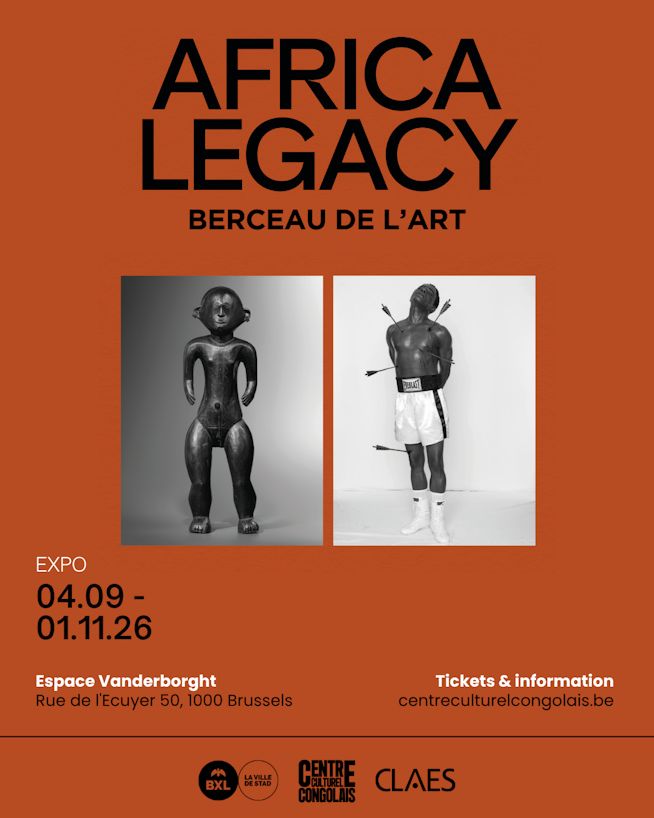
- Didier Claes, curator of the exhibition Africa Legacy in Brussels, on view from September 4 to November 1. A leading specialist in classical African art, he is also an admirer of contemporary African art, which he presents alongside historical works at art fairs. He has participated in several editions of AKAA.
- Philippe Boutté, Director of Magnin-A gallery in Paris and an AKAA exhibitor. Last year, he participated in Parcours des Mondes in an effort to reach a collector audience interested in classical African art.
- Frantz Dufour, Founder and Director of Galerie Afrique in Paris, specialising in African art and contemporary artistic practices from the continent. He participates in AKAA, where he presents artists and works that highlight the diversity of African art scenes.
Are traditional collectors of African art, generally driven by a deep interest in Africa and its spirituality, receptive to contemporary artistic practices from the continent? Conversely, do modern art enthusiasts who, influenced by Primitivism, collect iconic African objects, develop an interest in modern and contemporary African art?
To what extent can bridges be built between these different areas of collecting? Which contemporary artists are most likely to resonate with the sensibilities of collectors of classical African art? Are they artists who reinterpret traditional forms and references, or, on the contrary, those who move away from them to develop a distinctly contemporary and international visual language?
In French
1:30pm - 2:00pm Booth C7
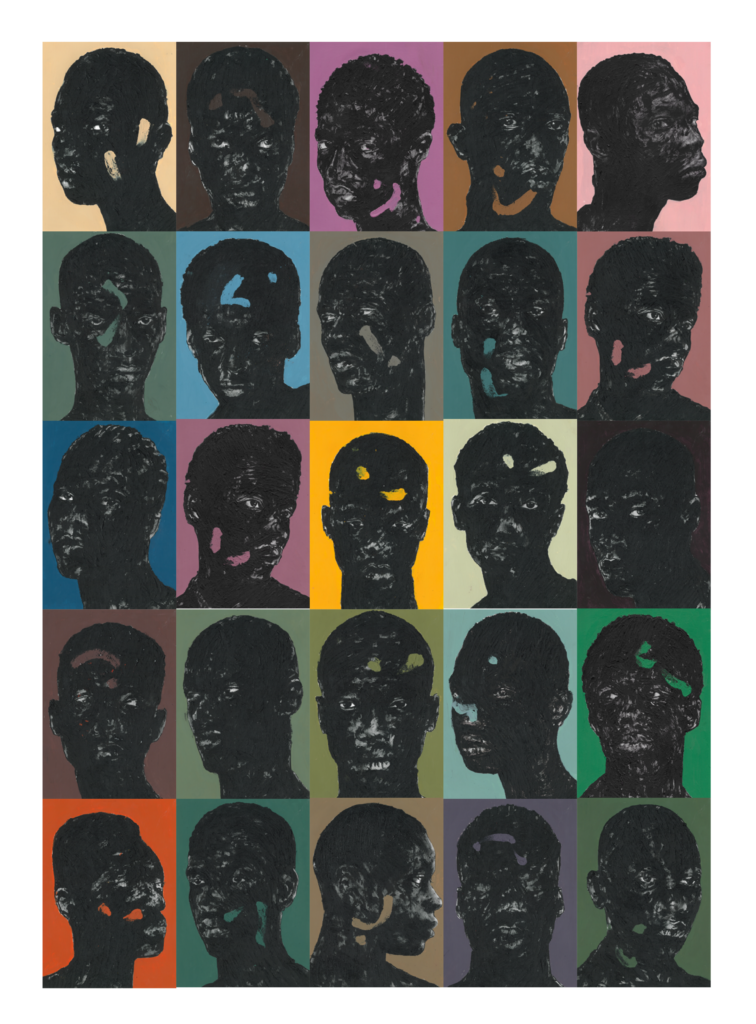
Face to Face – conversation with Amadeo Carvalho
A conversation with artist Amadeo Carvalho at the heart of the fair.
The Face to face programme was created to foster a special connection between the public and the artists exhibiting at the fair. For around forty minutes, artists and gallery representatives engage in an open and informal conversation with the audience, offering an intimate and unique opportunity to discover their work and artistic worlds from a different perspective.
In English.
4:30pm - 5:30pm Auditorium - Carreau du Temple
The Impact of Private Foundations on the Contemporary African Art Market
A panel discussion moderated by Marie Diehl, Head of Operations at the Metis Arts and Development Fund, supported by the French Development Agency (AFD), which develops programmes bringing together art, creativity and social issues.
- Victoria Jaunasse, Director of ellipse art projects, specialises in arts philanthropy and support for contemporary creation, following a background in cultural engineering and the international art market. She works in particular to support emerging artists and increase their visibility beyond major capitals.
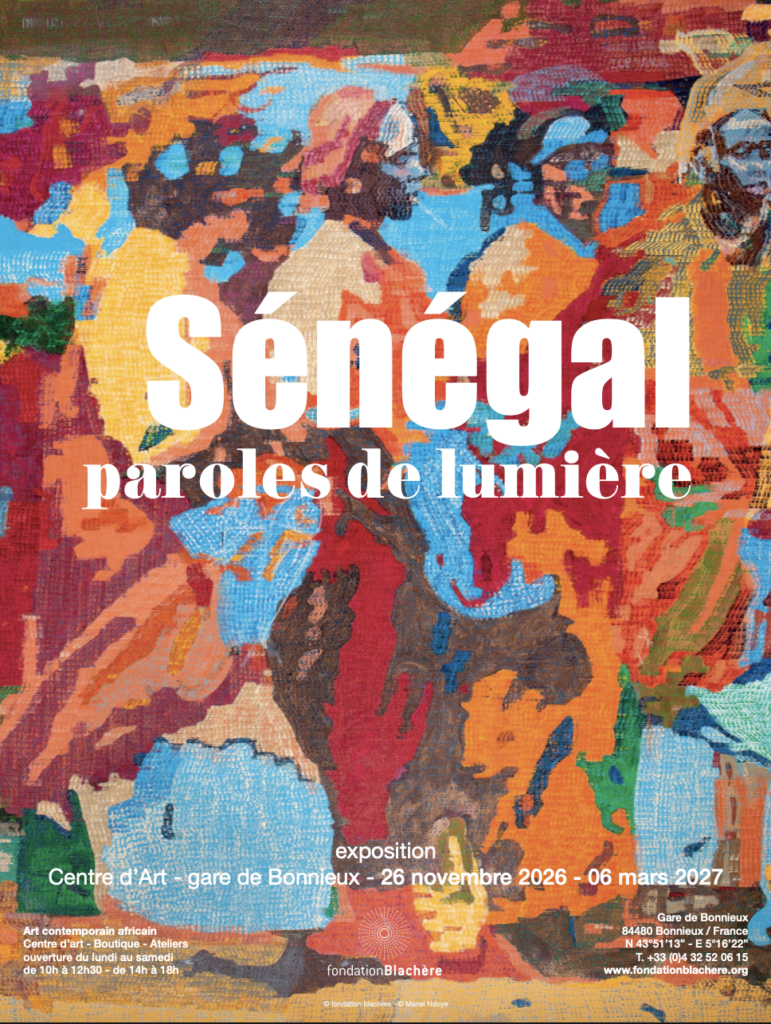
- Christine Blachère, President of the Blachère Foundation, continues the foundation’s commitment to supporting contemporary African art. Since its creation, the Foundation has supported artists from across the continent through exhibitions, residencies and initiatives aimed at promoting and disseminating their work.
- Emmanuel Berrar, representing the Yavarhoussen Fund, works in the field of arts philanthropy and support for contemporary artistic creation. The Fund is committed to supporting artists and promoting contemporary artistic practices.
In french.
5:00pm - 5:30pm Booth C9
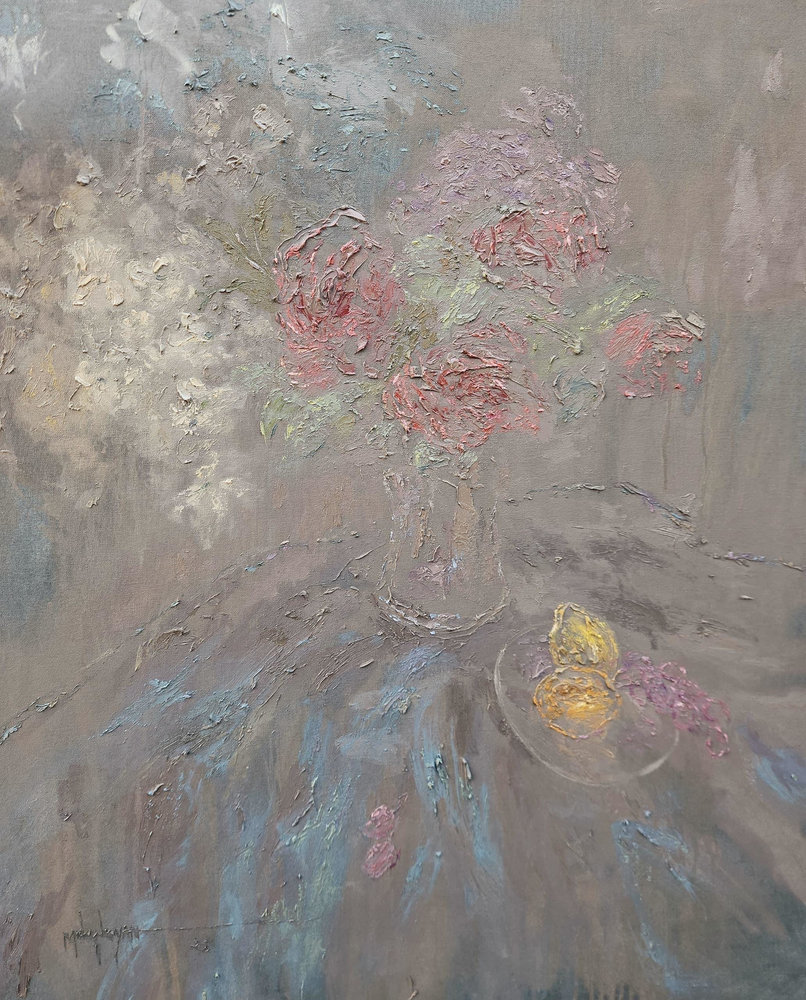
Face to Face – conversation with Midegbeyan Ojisua
A conversation with artist Midegbeyan Ojisua at the heart of the fair.
The Face to face programme was created to foster a special connection between the public and the artists exhibiting at the fair. For around twenty minutes, artists and gallery representatives engage in an open and informal conversation with the audience, offering an intimate and unique opportunity to discover their work and artistic worlds from a different perspective.
In English
- Saturday, October 24 -
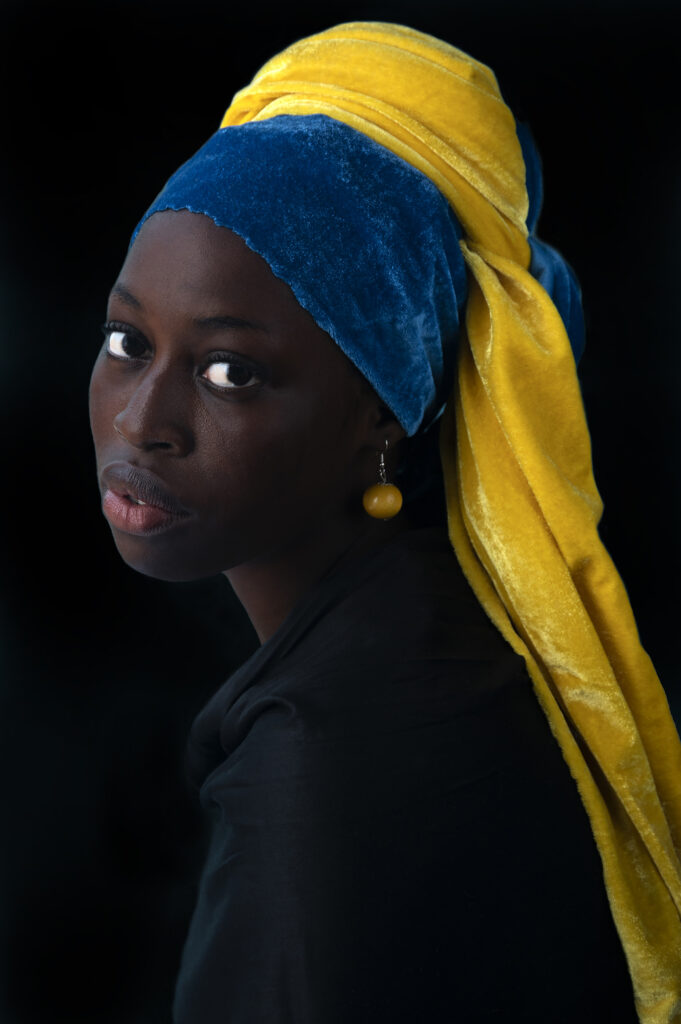
3:00pm - 3:30pm Booth D3
Face to face – conversation with Angèle ETOUNDI ESSAMBA
A conversation with artist Angèle Etoundi Essamba at the heart of the fair.
The Face to face programme was created to foster a special connection between the public and the artists exhibiting at the fair. For around twenty minutes, artists and gallery representatives engage in an open and informal conversation with the audience, offering an intimate and unique opportunity to discover their work and artistic worlds from a different perspective.
In French
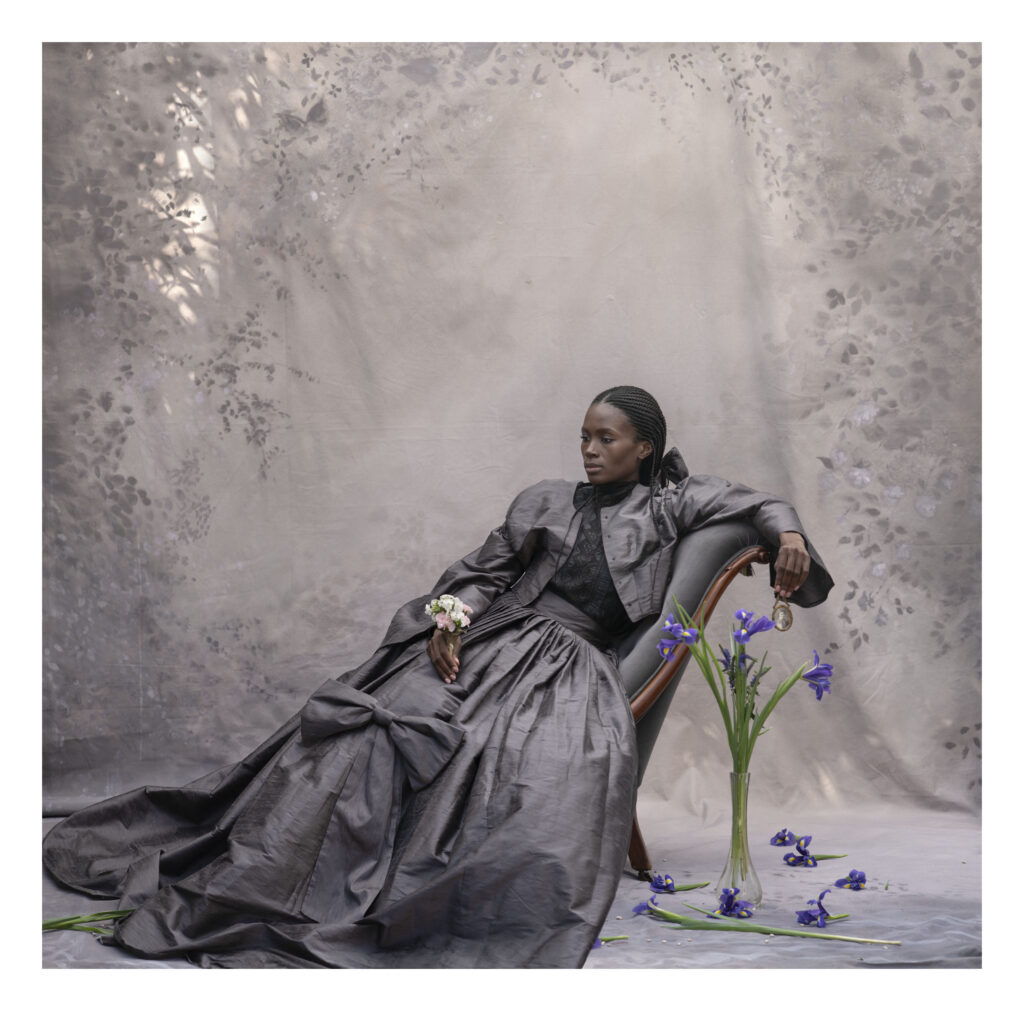
4:00pm - 5:00pm Salon Photo - Booth D8
When portraits speak
A discussion moderated by Dagmar Van Weeghel, photographer, with Lys Mehou-Loko, photographic model.
In English.
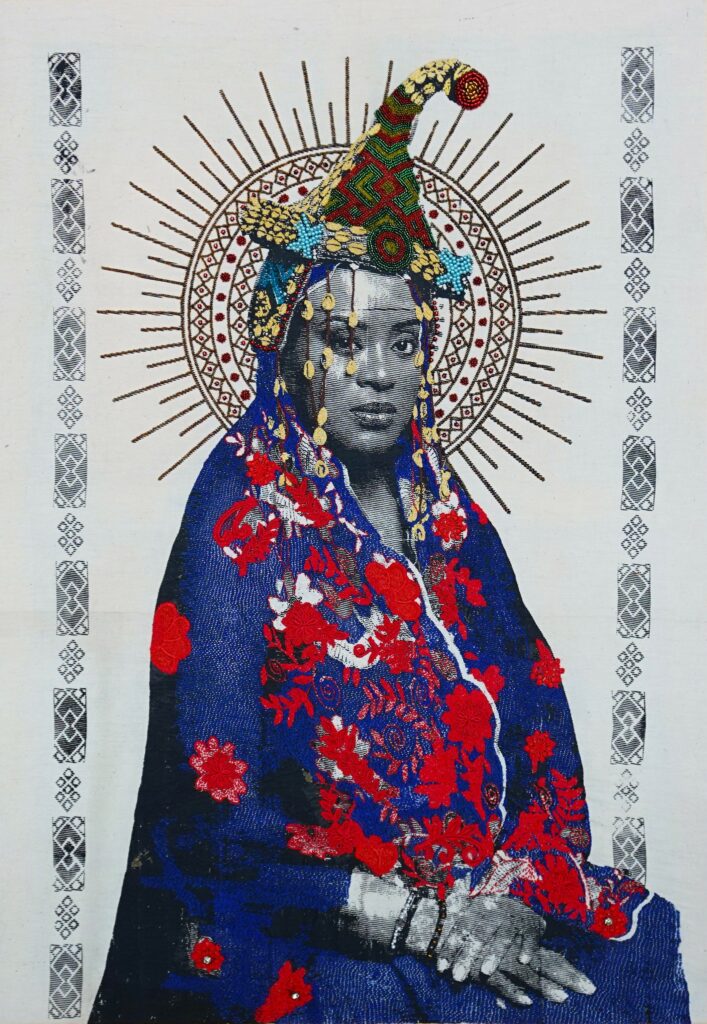
6:00pm - 6:30pm Booth A11
Face to Face – conversation with Rachel Malaika
A conversation with artist Rachel Malaika at the heart of the fair.
The Face to face programme was created to foster a special connection between the public and the artists exhibiting at the fair. For around forty minutes, artists and gallery representatives engage in an open and informal conversation with the audience, offering an intimate and unique opportunity to discover their work and artistic worlds from a different perspective.
In French.
- Sunday, October 25 -
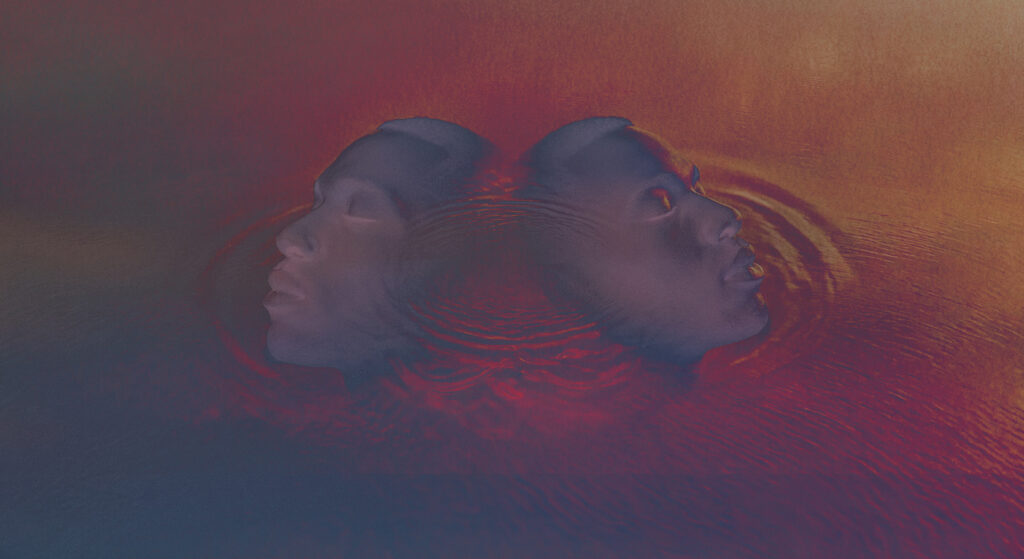
2:30pm - 3:30pm Photo Lounge - Booth D8
Identity and censorship
We invite you to join a conversation exploring Identity and Censorship, with Frédérique Chapuis, journalist, author and curator, particularly known for her work on African photography, and Gabriel Dia, a Senegalese photographer who, through self-portraiture and series such as Sabar, explores his relationship with his identity and Senegalese culture, questioning in particular the gender norms surrounding certain traditional practices.
In French.
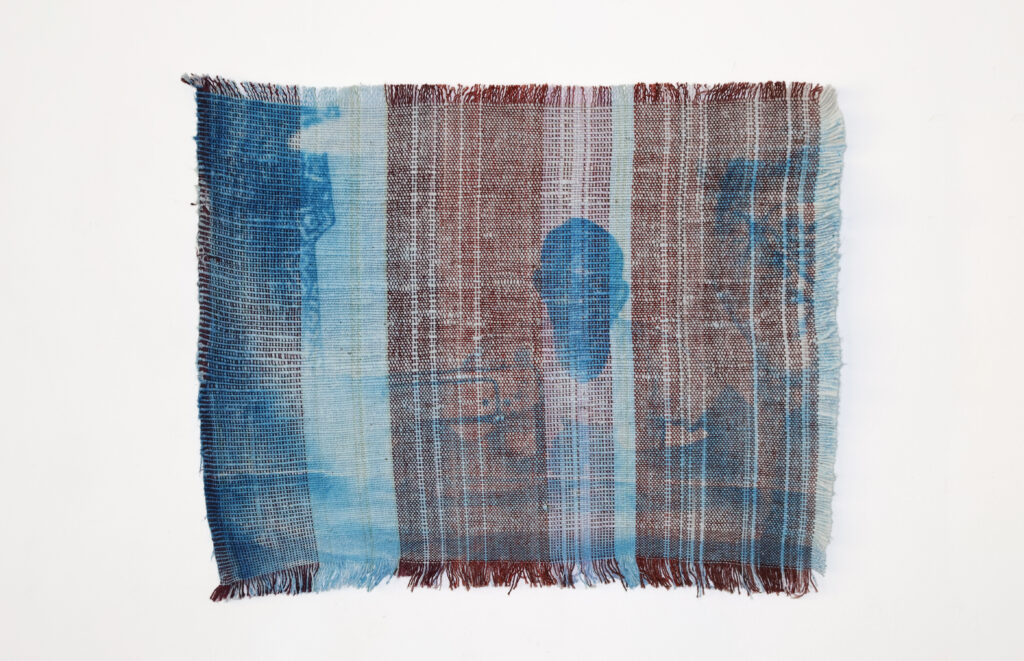
4:00pm - 4:30pm Booth D5
Face to Face – conversation with Tania Arancia
A conversation with artist Tania Arancia at the heart of the fair.
The Face to face programme was created to foster a special connection between the public and the artists exhibiting at the fair. For around forty minutes, artists and gallery representatives engage in an open and informal conversation with the audience, offering an intimate and unique opportunity to discover their work and artistic worlds from a different perspective.
En français.
- Friday, October 23 -
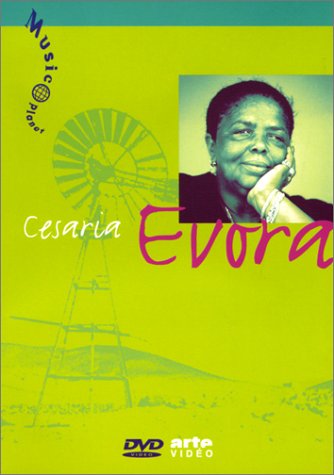
2:30pm - 4:00pm Auditorium - Carreau du Temple
Projection du film “Morna Blues”
International success has brought the haunting melodies of morna, a form of Cape Verdean blues, to the world stage, with Cesária Évora as its undisputed queen. The film by Anaïs Prosaic and Eric Mulet, carried by the swaying rhythm of the waves, mirrors Cesária herself: generous and enigmatic.
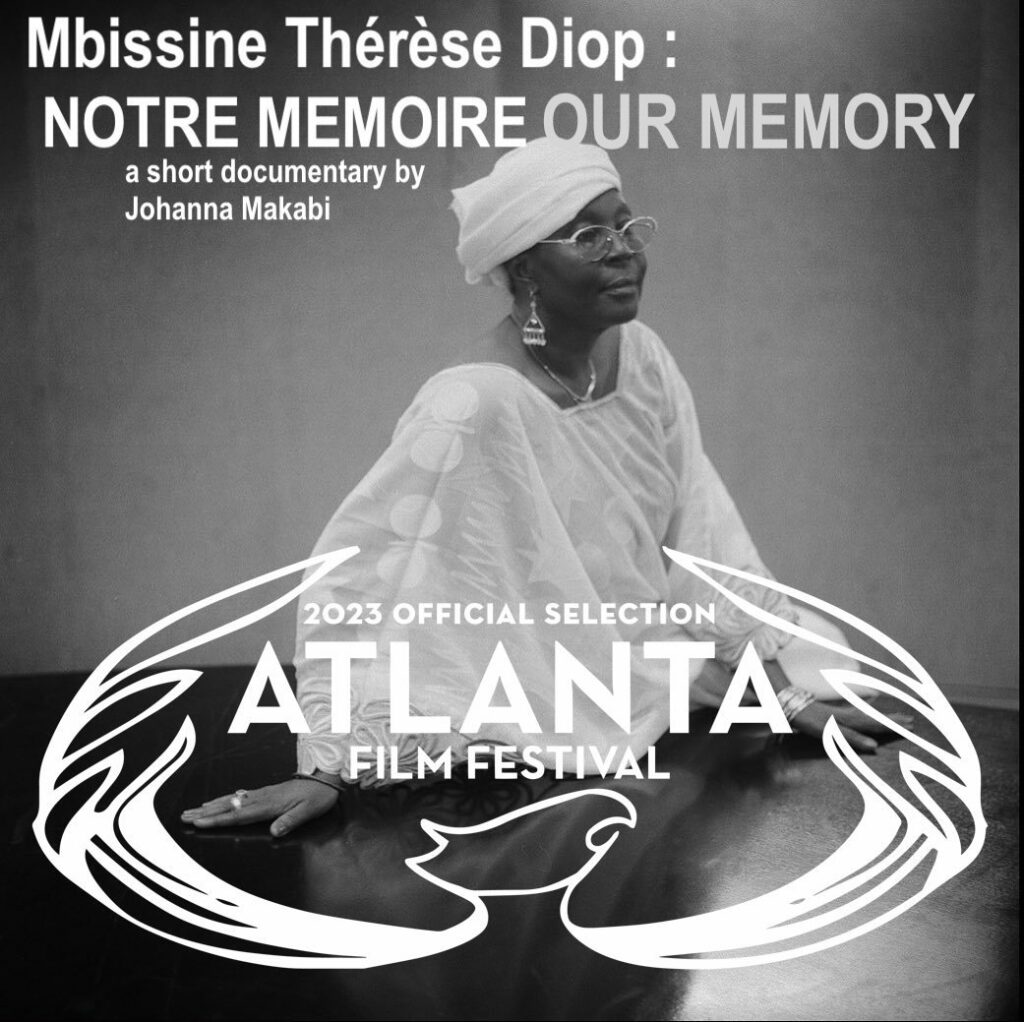
6:30pm - 6:45pm Auditorium - Carreau du Temple
Projection du film “Notre Mémoire”
Notre Mémoire is a short film by filmmaker and producer Johanna Makabi: “Mbissine Thérèse Diop was the lead actress in Ousmane Sembène’s first film, Black Girl. As a young Senegalese film student, I discovered her face on the big screen. Together, we revisit her experience as a Black actress in the 1960s.” — Johanna Makabi
In French with English subtitles.
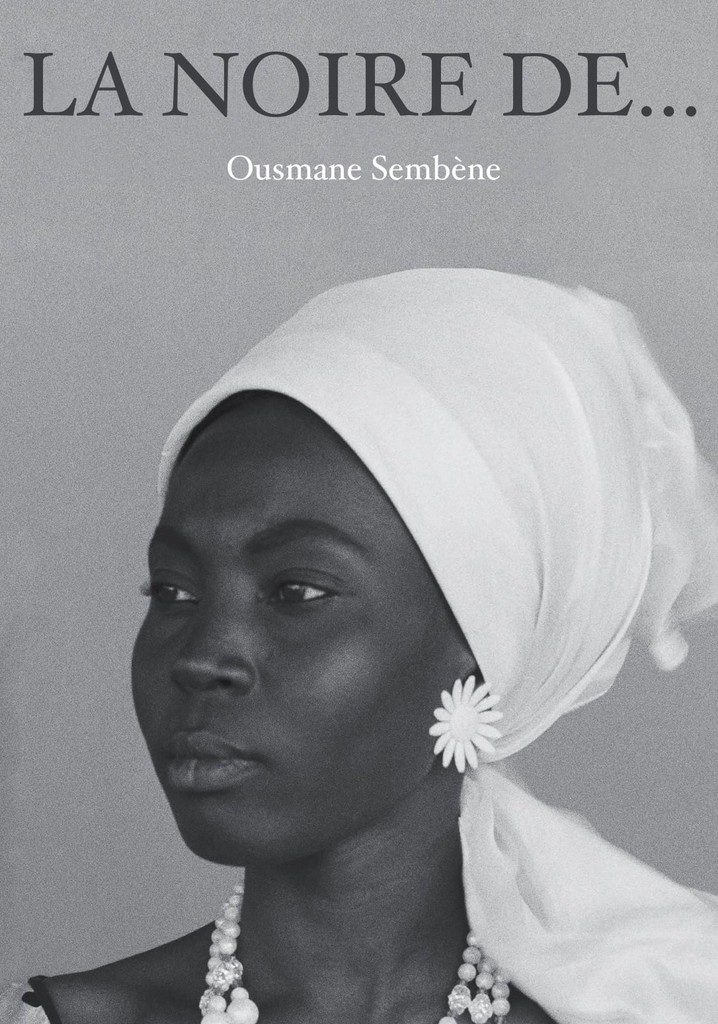
6:30pm - 8:00pm Auditorium - Carreau du Temple
Projection du film “La Noire de…”
Black Girl (La Noire de…, 1966), Ousmane Sembène’s first feature film, follows Diouana, a young Senegalese woman who is hired as a domestic worker by a French couple in Dakar. When she travels with them to Antibes, she finds herself confined to their apartment, where she is expected to perform all the household chores. Isolated and subjected to racism and humiliation, Diouana becomes increasingly disillusioned with the life she had imagined in France.
Through Diouana’s tragic story, Sembène explores the legacies of colonialism, the unequal power dynamics between France and Senegal, and the experiences of African migrants in postcolonial France. Starring Mbissine Thérèse Diop, Black Girl is widely regarded as a landmark of African cinema.
In French